Medicinal Plants of French Polynesia: The God-Given Gifts That Heal

Updated: Aug 3
I hope that this blog does not bore many of you, but I find it quite interesting to learn about other cultures and how they treat and prevent diseases. In French Polynesia, the locals still use many of the natural treatments their ancestors used. They do not use pharmaceutical drugs, and for the most part in the outer islands they do not vaccinate (nor get exposed to advertisements for drugs or vaccines on TV!). They do not have the degree of chronic diseases that we have in America, despite many being overweight. They do not know what autism is, or know any children that have been diagnosed with it. Very interesting!
I decided to put together a report on many of the interesting plants that I found beautiful or useful in my first few weeks in French Polynesia. Perhaps it might help someone someday!
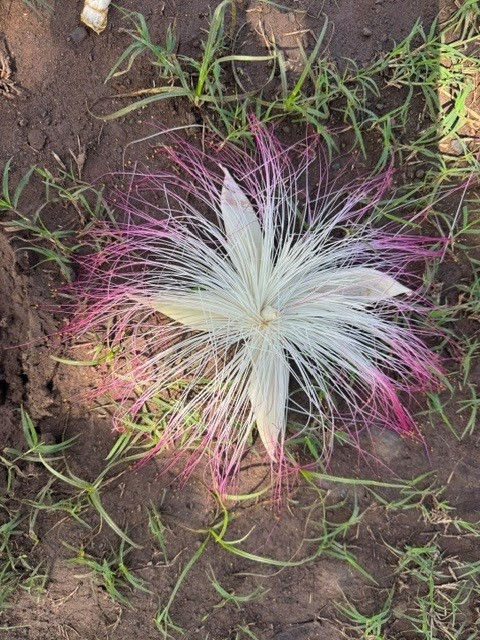
The seeds of the sea poison tree contain saponins and Polynesians crush the seeds and use as a poison to stun the fish in the tidal pools and lagoons. It has been used medicinally for various purposes; lab studies have identified antibacterial, antifungal, anti-inflammatory, and antioxidant compounds in the plants. Researchers have isolated triterpenoid saponins, flavenoids, and phenolic compounds which have anti-cancer activity in vitro. Cancer types studied include breast, colon, liver, and leukemia. It has yet been studied in vivo in humans.
Leaves for burns, skin and wound infections, rheumatism, and arthritis
Bark for pulmonary infections, dysentery
Fruit pulp (which is inedible) topically for skin disorders and arthritis
Seeds sometimes used externally to treat lice and parasites
Roots for malaria, dengue and other fevers and generalized pain
In addition to the stunning landscapes we have see in the Marquesas Islands of French Polynesia, the flora and fauna is also quite interesting and unique. I found myself taking pictures of so many plants and flowers, I felt compelled to share those in their own blog. It developed into the intro to a guide for medicinal botanicals.
I have always preferred "Complimentary Medicine" over pharmaceutical drug based medicine, and have my board certification in both Internal Medicine as well as Regenerative/"Anti-aging" Medicine. Many of my patients prefer this approach and continue to look for my guidance. I was happy to find that the local Marquesans and French Polynesians in general, also espouse this approach. Their gardens, public areas, and nature trails are planted with a cornucopia of nutritionally and medicinally important plants.


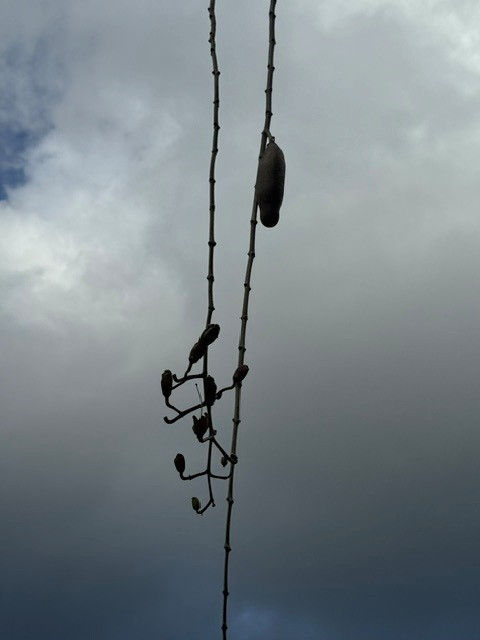
Kigelia africana is native to sub-Saharan Africa and has been introduced to French Polynesia as an ornamental. The flowers open mostly at night and have a musky odor and are primarily pollinated by moths and bats and a few nectar-feeding birds. The raw fruit is toxic to humans and requires processing with fermentation, roasting, or drying, which reduce toxicity.
Its components have been used in African traditional medicine since it contains flavenoids and phenolic compounds and also iridoids and naphthoquinones. Lab studies show antibacterial, antifungal, anti-inflammatory and anti-oxidant properties making it good for wound healing. Other uses include bark for malaria, and other fevers (dengue, etc), dysentery, toothache, and arthritis; leaves applied topically for wounds, boils and skin infections, inflammations; fruit used externally for fungal skin infections, psoriasis, eczema, and other auto-immune skin conditions, and chronic ulcers; roots for snakebite (traditionally), digestive issues and venereal diseases. Some compounds have shown anti-cancer benefits in vitro. Commercially, extracts have been used for skin-firming creams, moisturizers and anti-aging products.

The tropical almond, or sea almond is believed to originate in Indo-Pacific and spread by Austronesian voyagers. It's flesh is edible when ripe, when it becomes yellow, purple, or red and it has a sweet flavor, (red and purple are the most ripe). The kernel inside the fruit tastes like an almond and is full of healthy unsaturated fats, protein, vitamin E, potassium, and magnesium.
It is traditionally used medically to treat various disorders: the leaves for diarrhea, liver issues, skin infections and to promote wound healing. Modern lab studies have shown antibacterial, anti-fungal, and-inflammatory and anti-oxidant properties. The fallen leaves can be used in aquariums since their tannins slightly acidify the water. The bark has been used to treat fever, sore throat, diarrhea/dysentery and other gastro-intestinal disorders. The fruit has a mild laxative effect and has been used to treat digestive issues. The kernel has a high food value rather than medicinal. Researchers have identified several compounds including ellagic acid, gallic acid, punicalagin, flavenoids and tannins which have been shown to have anti-inflammatory, anti-oxidant, antibacterial and antifungal properties as well as anti-cancer activity in-vitro (test tubes containing cancer cells)

Crepe ginger is native to tropical Asia and was introduced to French Polynesia. Young shoots are cooked and eaten in parts of Southeast Asia. The rhizomes have a long history of medicinal use for diabetes, fever, UTI's, kidney stones, digestive issues and worm infections. The leaves are used externally for skin inflammation and wounds, and fever compresses. The stems are traditionally used for cough and bronchitis.
Modern research has identified several bio-active compounds including a steroidal saponin known as Diosgenin, Dioscin, Flavenoids and Phenolic compounds. Animal studies have shown anti-inflammatory, anti-oxidant, anti-diabetic, antimicrobial effects, hepato-protective (liver protective) effects, and cytotoxic activity against cancer cells in culture. The Diosgenin is historically used a starting compound for some steroid medications. It has low toxicity but large doses can cause GI upset. It is not safe for pregnancy, since as with many compounds, they can affect uterine activity.

Wild sage has a variety of other common names around the world, including red sage, Spanish flag, Tickberry, and West Indian lantana. It is native to Central and South America and is considered invasive in French Polynesia, forming dense thickets. It is considered one of the world's worst invasive plant species. It's green berries are poisonous, but fully ripe black berries are reportedly eaten by some people in parts of the world. The leaves and fruit contain lantadenes which can cause vomiting, diarrhea, liver injury, weakness and photo-sensitivity. Despite toxicity, leaves are used in poultices topically for cuts, wounds, skin infections, insect bites. Leaf tea is used in some cultures for fever, cough, colds, malaria, and hypertension. Roots have been used for toothache, digestive complaints and snakebite (traditionally). Lab studies show the same anti-oxidant, anti-bacterial, anti0fingal , and anti-inflammatory effects, but also mosquito-repellant properties. It has been studied as a natural insecticide. Some studies show in vitro activity against cancer cell.
It is an excellent butterfly attractant and ornamental and flowers year round. It also provides dense hedges for birds.

Ficus religiosa, also known as Sacred Fig and Bo Tree, was native to the Indian subcontinent but was introduced to French Polynesia and other tropical locations since it is a nice ornamental shade tree. It is sacred in both Buddhism and Hinduism and it is believed that Siddhartha Gautama attained enlightenment beneath a Ficus religiosa, thus it is called "Bodhi Tree". It has edible fruits that are very small and have very little flesh so are more important food for birds, bats and other wildlife. In Ayurvedic medicine, nearly every part of the tree is used: leaves for asthma/cough, skin wounds; the bark is used for diarrhea/dysentery, diabetes and bleeding disorders; latex is used for warts and cracked skin and traditionally for toothache; roots are used for inflammatory problems and urinary complaints. Lab and animal studies show that is has anti-oxidant, antibacterial, anti-inflammatory effects, lowers blood glucose, and has wound-healing activity. Researchers have identified flavenoids, tannins, sterols, and phenolic compounds among others.

Passiflora foetida derived the name from the somewhat foul smell emitted when leaves are crushed. It is native to Mexico, Central America, the Caribbean, and northern and tropical South America. When fully ripe the fruit is yellow to orange and has tart-sweet translucent pulp with black seeds. Green unripe fruit can contain higher levels of potentially irritating compounds.
Across tropical Asia, the Pacific , and Latin America, the plant has been used medicinally and nutritionally. Its leaves are used for wounds, skin inflammation, insect bites, coughs, mild fever, the fruit is high in vitamin C and is a mild digestive aid. The whole plant has been used for anxiety, insomnia, asthma, hypertension, and GI complaints. The plants contain flavenoids, phenolic compounds, cyanogenic glycosides (small amounts), and various anti-oxidants. Lab studies demonstrate anti-inflammatory, anti-oxidant, anti-bacterial, anti-viral activity and mild sedative activity

Indian jujube, aka Chinese apple or Ber (India) originated in South Asia and was introduced after European contact with French Polynesia. Immature fruits are green, and as it ripens, they turn yellow and then red-brown to dark brown, sometimes wrinkled. Ripe fruits are high in vitamin C, iron, potassium, calcium and fiber and commonly eaten fresh or dried. Traditional medicinal uses of the fruits are for sore throat, GI complaints, and general nutrition. Leaves can be applied to cuts, skin infections and areas of inflammation. The bark is used to treat diarrhea and fever. Roots are used for pain and digestive disorders. As with so many of these plants, they are high in flavenoids, saponins, triterpenoids (betulinic acid, oleonolic acid, and ursolic acid) and phenolic compounds (Gallic acid, caffeic acid, chlorogenic acid, and ferulic acid) so has anti-oxidant, anti-inflammatory, antibacterial and blood glucose lowering effects (animal studies).They have also demonstrated anti-cancer effects in vitro and are hepato-protective (protect the liver)
Traditional medicinal uses: fruit for sore throat , fever, digestive issues, malnutrition;
leaves applied to cuts, infections, burns , and etc wounds; bark used for diarrhea, fever, mouth ulcers; and roots used for pain and GI disorders

Ylang-ylang is native to Southeast Asia and parts of Malaysia and was introduced after European contact. It is now cultivated for ornamental and fragrance purposes and uses fragrance to attract its major pollinators, night-active beetles. Traditional medicine uses include treating anxiety, depression, mild insomnia, hypertension, headache, fever, and skin infections. The leaves are used in antimicrobial washes, flowers used in perfumes, and made into essential oils for massage, stress reduction, and skin care.
major phytochemicals found in the essential oil include linalool, germacrene D, benzyl acetate, benzyl benzoate, Beta-caryophyllene, farnesene, methyl benzoate, geranyl acetate, and eugenol (small amounts). Human studies have found that inhaling ylang-ylang essential oil reduces anxiety, lowers heart rate and improves feelings of relaxation. Other studies hve shown a modest reduction in blood pressure and heart rate, as well as supporting improved sleep (aromatherapy). Lab studies showed antimicrobial activity against Staphylococcus aureus and Candida albicans. Some constituents have anti-oxidant, and anti-inflammatory properties.


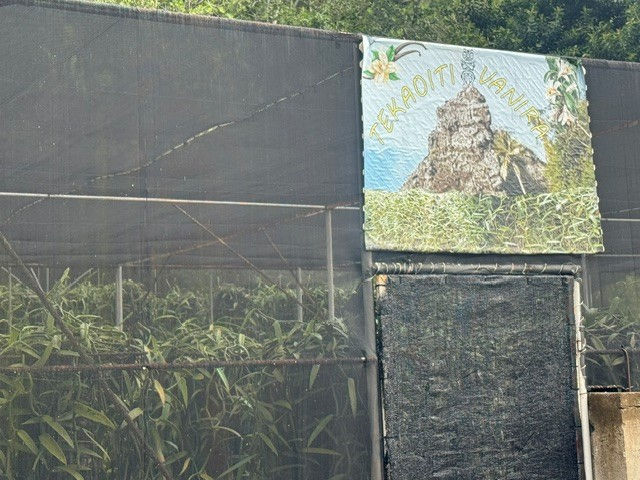
I am an orchid lover and was delighted to see so many orchids here, including vanilla, growing in the wild. It is native to Mexico, but cultivated all over FP, especially Tahaa, often called the "vanilla island". French Polynesia produces some of the finest vanilla in the world. Tahitian vanilla is a hybrid related to Vanilla planifolia that has a richer flora aromawhich contains higher leves of anisyl alcohol and anisaldehyde, which give it notes of cherry and licorice. It is one of the world's most valuable spices and six long vanilla beans cost $80 here. It is most important for its phytochemicals, rather than nutrient value. Vanillin is the primary flavor and aroma compound. Other constituents are vanillic acid, p-Hydroxybenzaldehyde, p-Hydroxybenzoic acid, ferulic acid, flavenoids, tannins, and phenolic compounds.
Historically it has been used for GI upset, including gas, bloating, and nausea, mild fever, fatigue, anxiety, and as an aphrodisiac. It has anti-oxidant, anti-inflammatory, anti-microbial, and possible anti-cancer benefits like so many of the others, but also it is neuroprotective, reducing neuroinflammation and protecting nerve cells from oxidative damage. as an anticancer treatment, it has been shown to reduce free-radical damage, inhibit cell proliferation and to promote apoptosis (programmed cell death). This is important as the covid mRNA shots have been shown to decrease apoptosis and allow malignant cells to continue to proliferate, unchecked by the immune system.
The aroma of vanilla is associated with relaxation, reduced anxiety, and improved mood.

Vanda orchids are ornamentals introduced from Asia. they are not widely used medicinally, but in Ayurvedic medicine in Southeast Asia they have used Vanda tessallata for rheumatism, neuralgia, bone fractures, bronchitis, and ear infections. They contain flavenoids, phenolic compounds, alkaloids, triterpenoids, and stilbenoids which account for anti-inflammatory, anti-oxidant, and anti-microbial properties, however very little human clinical evidence exists.


Pomelos are native to Southeast Asia and brought to Pacific by colonizers. It is one of the healthiest tropical fruits, loaded with vitamin C, potassium, folate, fiber, magnesium, and small amounts of vitamin A. Major phytochemicals include vitamin C, Hesperidin, Naringen and Naringenin, Limonene, Flavenoids, Phenolic acids and carotenoids.

Butterfly Peas are not native to French Polynesia but were likely introduced from Austronesia. They have stronger evidence for their medicinal value containing anthocyanins, flavenoids and Phenolics, supporting anti-oxidant, anti-inflammatory, and lab-proven neuroprotective and anti-diabetic effects.

Shampoo ginger is also called pinecone ginger, (Awapuhi in Hawaii), is an introduced species extensively used in Traditional Polynesian medicine. The green inflorescences later become bright red "pinecones" that produce fragrant shampoo-like juice. It is widely used throughout Southeast Asia and the Pacific


The Peacock flower is a beautiful ornamental also called the "Pride of Barbados", "Dwarf Poinciana", or "Red Bird of Paradise" . It is native to tropical America, npt Polynesia, but has become widespread. It has bean pods which are toxic especially to children and pets. The leaves have been used to treat fever, skin and wound infections and inflammation (topically in a poultice), while flowers, bark, roots and seeds have been used in carefully prepared doses by traditional healers for various illnesses due to the flavenoids, tannins, terpinoids, and phenolic compounds which have anti-inflammatory, anti-oxidant, antbacterial, anti-fungal and some anti-cancer activity. These are preclinical studies for cancer, no high quality human studies yet, likely because it, like the others are natural substances, they cannot be patented.
These plants. like so many other plants, are important for nitrogen fixation and they improve soil fertility. They are a great attractant for hummingbirds, bees and butterflies.

Albizia lebbeck, "Woman's tongue" is a beautiful ornamental legume which not only provides shade, nitrogen fixation (consuming the CO2 that climate alarmists hate) and wood, it's flowers provide nectar for bees. Lab studies have found compounds with anti-oxidant, anti-inflammatory, antimicrobial and anti-parasitic activity. It has not been studied for treating diseases in humans.
I will close with the most exciting plant yet that I have seen, which I learned about from our dinner hosts on Fakarava Atoll. The matriarch of the family was an avid gardener and botanist and she used the leaves and shoots of this bush to make a tea which is commonly used as a remedy for ciguetera toxin The tea is to be consumed as soon as possible after experiencing symptoms of ciguetera fish poisoning and continued for a week. Avoidance of all fish for at least two weeks was suggested. This household had never had ciguetera poisoning, and attributes their health to this plant.

It is quite clear that the natives are aware of the benefits of many of these plants. For the most part, they do not take prescription drugs. Many of them even turned down my gifts of soaps, toothbrush and toothpaste, preferring their own natural regimens. (I will say many of them had nice skin, but not great dentition!)
Apologies:
Now we are in Tuamotus and it is paradise and I am weeks behind on my update!. My next blog will show pics from there as well as Rob's massive TUNA. Elon Musk is changing the Starlink fee structure as of 8/17/26, so will have to limit our regular phone calls and text messages, so stay tuned for updates! I am trying to be better at doing these blogs, but we are so busy living life, it takes time to make and edit videos about living life!


Sonja: That is so cool to see some of these plants we have in our backyard!